

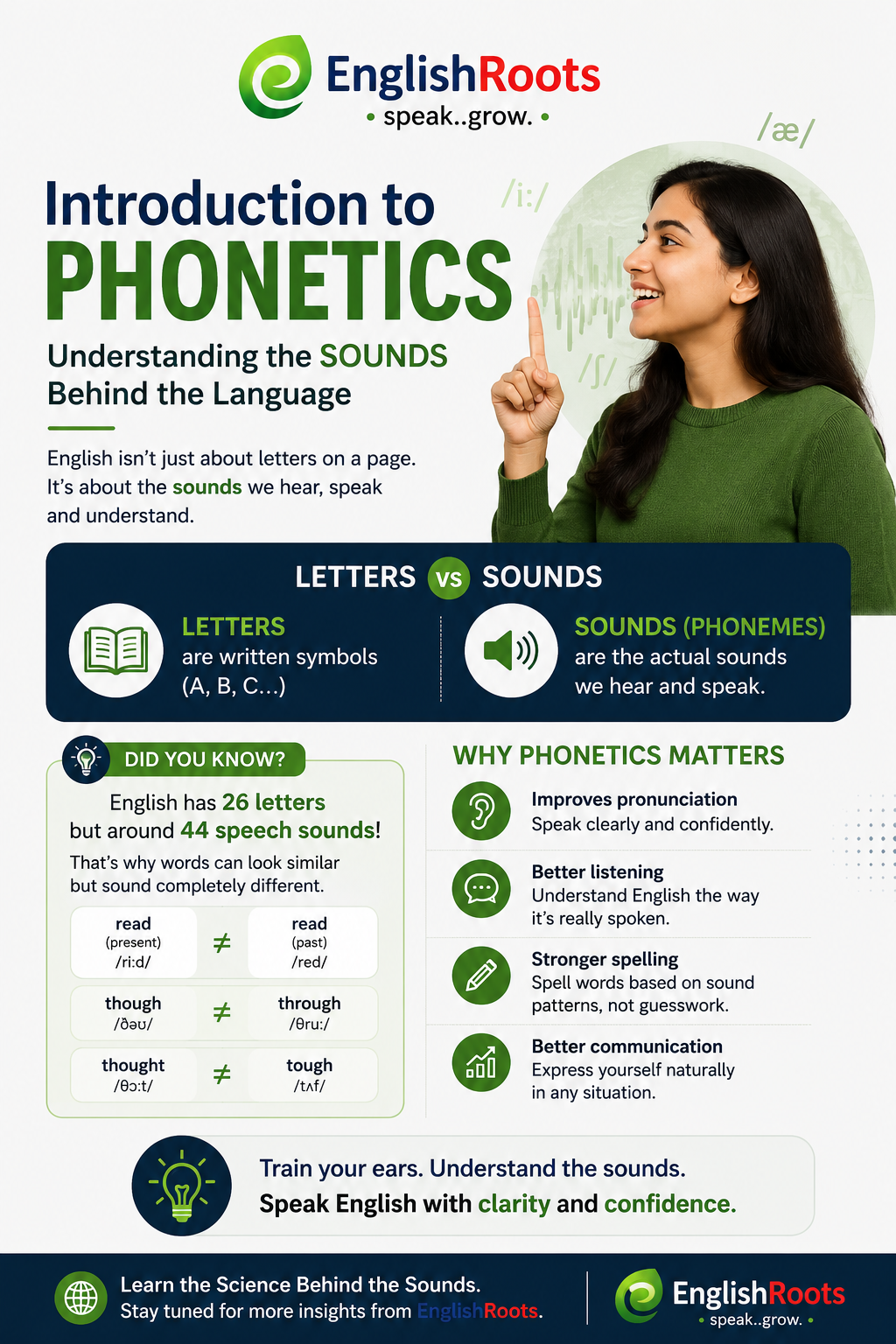


Learning Indian Languages This Summer
Regional languages carry stories, traditions, and values that shape local identities. When children learn a language native to their state or region, they gain access to folk tales, songs, and customs that deepen their sense of belonging. This cultural connection encourages pride and helps youngsters appreciate the diversity of India’s linguistic heritage.
Ministry of Education, Government of India – Language Policy Explains India’s pluralistic language policy and recognition of scheduled languages.
Department of Higher Education, Language Policy
Summer holidays are a great chance for children to explore new interests while staying connected to their cultural roots. Learning an Indian language during a short, focused online course can be both fun and meaningful—helping kids build communication skills, cultural awareness, and confidence in a relaxed, playful setting.
Beyond culture, regional languages are practical tools. Simple conversational skills—greetings, introductions, and everyday phrases—make it easier for children to interact with family members, neighbours, and community elders. Early exposure to these basics improves listening, speaking, and social confidence in familiar settings like school functions and local events.
The India Forum – India’s Linguistic Diversity Analysis of census data and challenges in recognizing mother tongues. India Forum Article
Cognitive and Academic Benefits of Learning Indian Language This Summer
Learning another language supports cognitive development. Structured grammar and vocabulary exercises sharpen memory and analytical thinking, while storytelling and role‑play boost creativity and comprehension. These mental benefits often translate into improved performance across school subjects and better problem‑solving skills.
Engaging, Child‑Friendly Learning Methods
Short online courses designed for children use games, songs, and interactive activities to make learning enjoyable. Small group sessions and live practice encourage participation and provide personalized attention. Activities such as storytelling, simple performances, and cultural projects help children use the language naturally and confidently.
Building Confidence and Social Skills
Language practice in a supportive environment reduces hesitation and builds self‑assurance. Children who speak a regional language comfortably are more likely to participate in classroom discussions, cultural programs, and community activities. This social confidence is a valuable life skill that extends beyond language learning.
- International Journal of Applied Research (2025) Paper on cognitive advantages of multilingualism — problem‑solving, creativity, executive function. Cognitive Advantages of Multilingualism
- Clausius Scientific Press – Cognitive Benefits of Bilingualism Across the Lifespan Reviews research showing bilinguals outperform monolinguals in attention, memory, and creativity. Clausius Scientific Press Article
Choosing the Right Short Course for Kids
Look for programs that balance interactive practice, cultural exposure, and small group learning. A one‑month format is ideal for holiday schedules—long enough to achieve practical outcomes but short enough to keep motivation high. Tangible milestones, like a simple conversation or a short presentation, help children see progress and stay engaged.
A focused summer course in an Indian regional language offers more than vocabulary—it nurtures identity, sharpens the mind, and builds real‑world communication skills. For parents seeking a meaningful, enjoyable way to spend the holidays, short online language programs can spark curiosity, strengthen cultural ties, and give children confidence that lasts well beyond summer.
Student roots
https://englishroots.in/programs-category/spoken-english/student-roots/
Learning Indian Language This Summer
Indian Languages

One reply on “Nurturing Roots: Why Learning Indian Languages Matters”
Vipindas April 20, 2026 at 12:11 am
In the current years, it seems like knowing multiple Indian regional language is helping Indian communicate better